What does a Flock camera look like? A photo guide
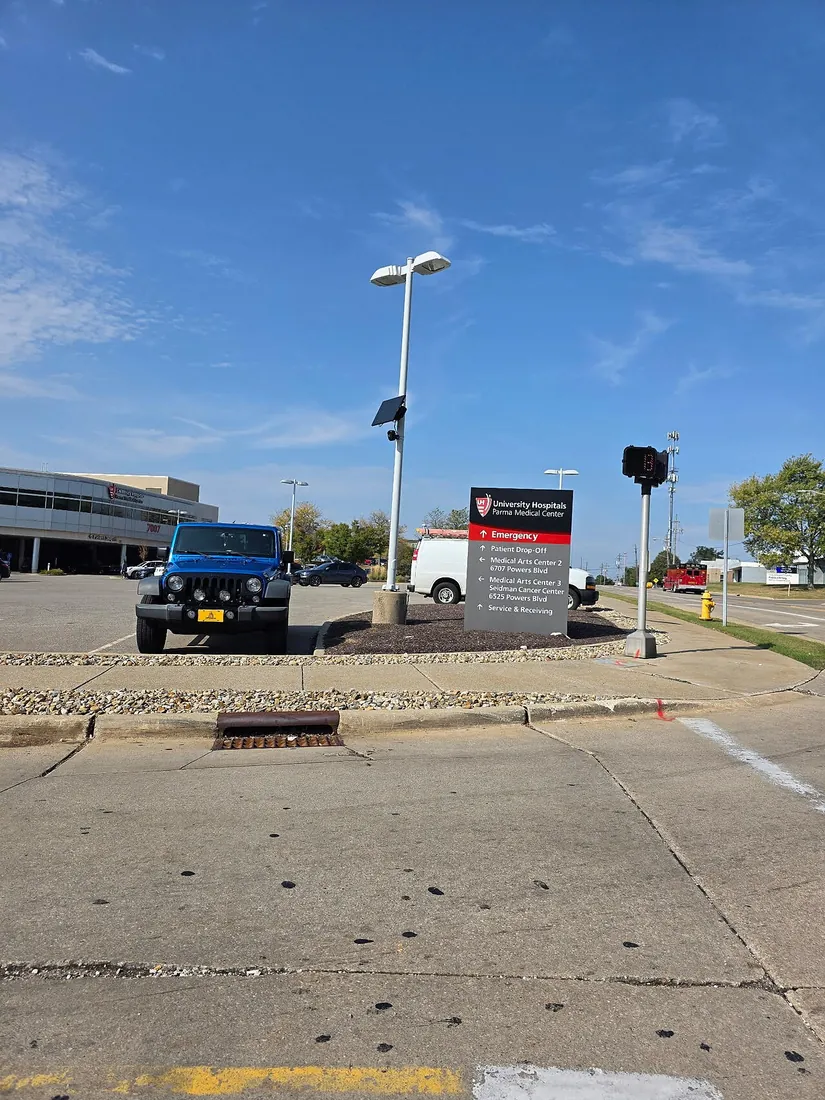
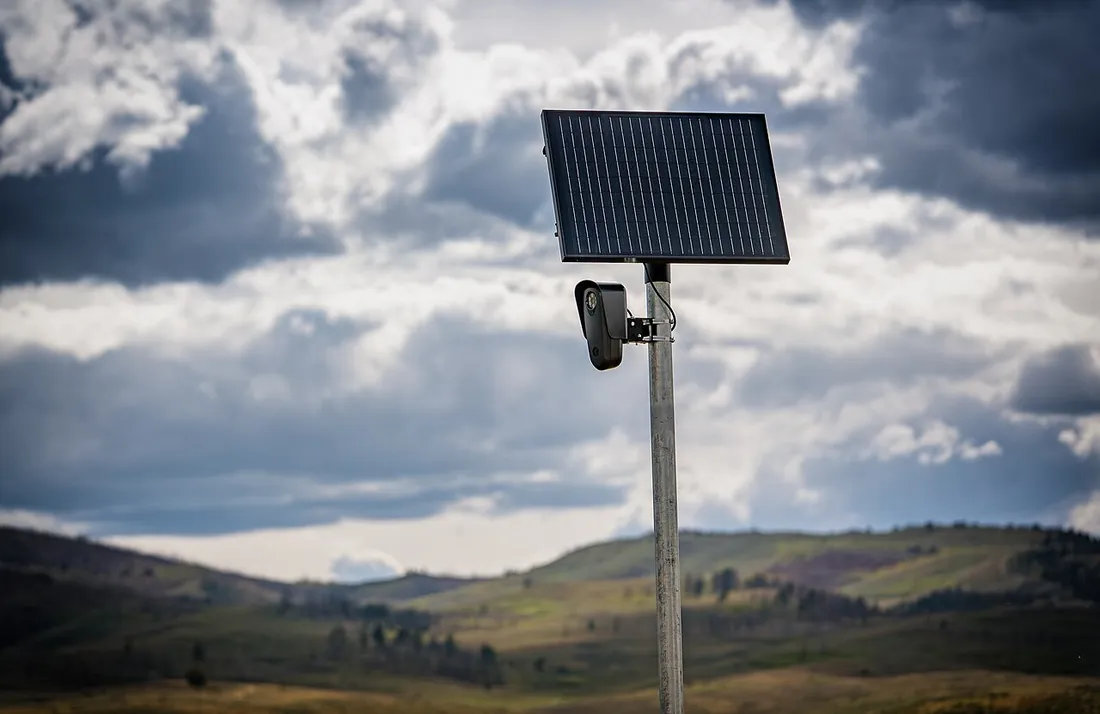
A common roadside Flock Safety plate reader has a compact, dark camera housing on a pole, often with a solar panel above it and the camera aimed toward passing traffic. Other manufacturers use similar equipment, and Flock also sells devices other than plate readers. Use these sourced photos to compare the clues; appearance alone cannot establish the vendor, whether a device is operating, or whether it photographed your car.
Find documented Flock and ALPR cameras near you or read how license plate readers work. FlockDetour maps documented locations; it does not access camera footage or plate records.
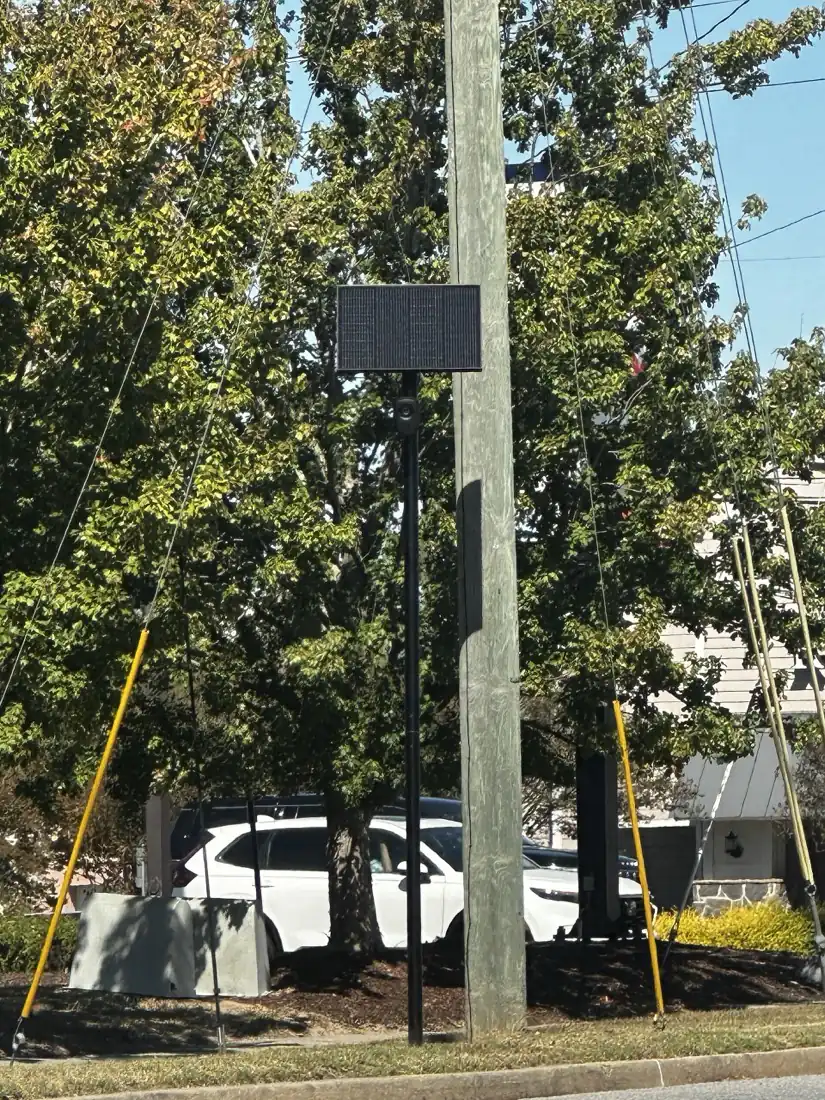
Start with the pole
Check these four features, then compare the evidence with source records and the operator's equipment information.
Plate readers
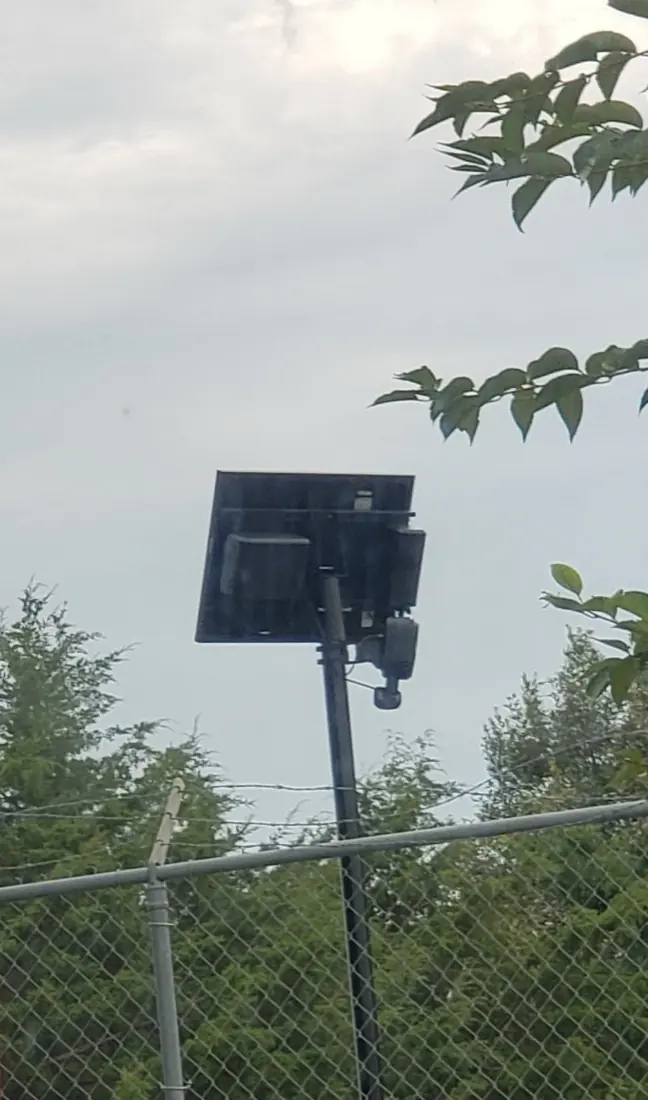
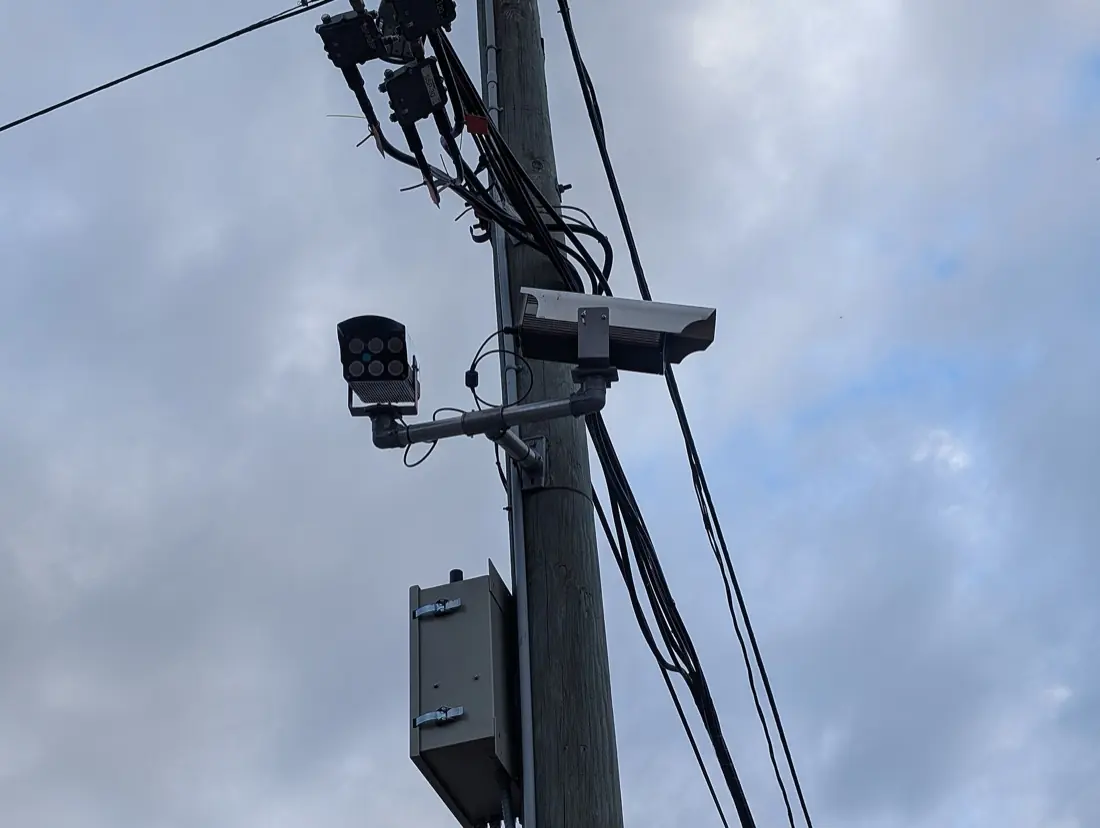
Both of those read plates. Only one matches the silhouette most people have in their head, which is exactly why the checklist above starts with the mount and not the housing.
- Flock Safety fixed reader
A dark rectangular housing roughly the size of a shoebox on a slim dedicated pole, with a solar panel angled above it and no cable to the ground. Often carries a small bird decal. Flock's own published specification lists dual panels at 18–20V, around 21 by 28 inches.
Usually found: Subdivision entrances, city limits, arterial intersections, highway on-ramps.
Not proof: Several vendors ship a visually similar solar pole unit. Absent the decal, the silhouette alone does not distinguish the manufacturer.
- Leonardo/ELSAG pole reader
Marketed as an all-in-one solar pole-mounted unit — the closest direct analogue to the Flock silhouette, and easy to mistake for one at a distance.
Usually found: Municipal deployments, tolling, parking and access control.
Not proof: This is the single most common misidentification. A solar pole reader is not automatically a Flock unit.
- Grid-powered fixed reader
Mounted on existing infrastructure with visible conduit, frequently at high-traffic intersections. Axis-style and Axon's streetlight-powered unit both draw from the pole rather than the sun.
Usually found: Signalized intersections and multi-lane arterials.
Not proof: Shares a mount with red-light and speed enforcement cameras; the mount tells you nothing about which it is.
- Mobile and patrol-car readers
Small cameras mounted on a patrol vehicle's light bar or trunk lid, angled outward to read parked and passing plates as the car drives.
Usually found: Anywhere the vehicle goes, including residential streets and lots.
Not proof: Not fixed infrastructure, so it will never appear on a map of installed cameras.
More Flock cameras, photographed by the public
Every photo here was taken by a member of the public and shared on Wikimedia Commons under a free license. They show how much the same kind of camera varies with its mount, its power and what is around it.
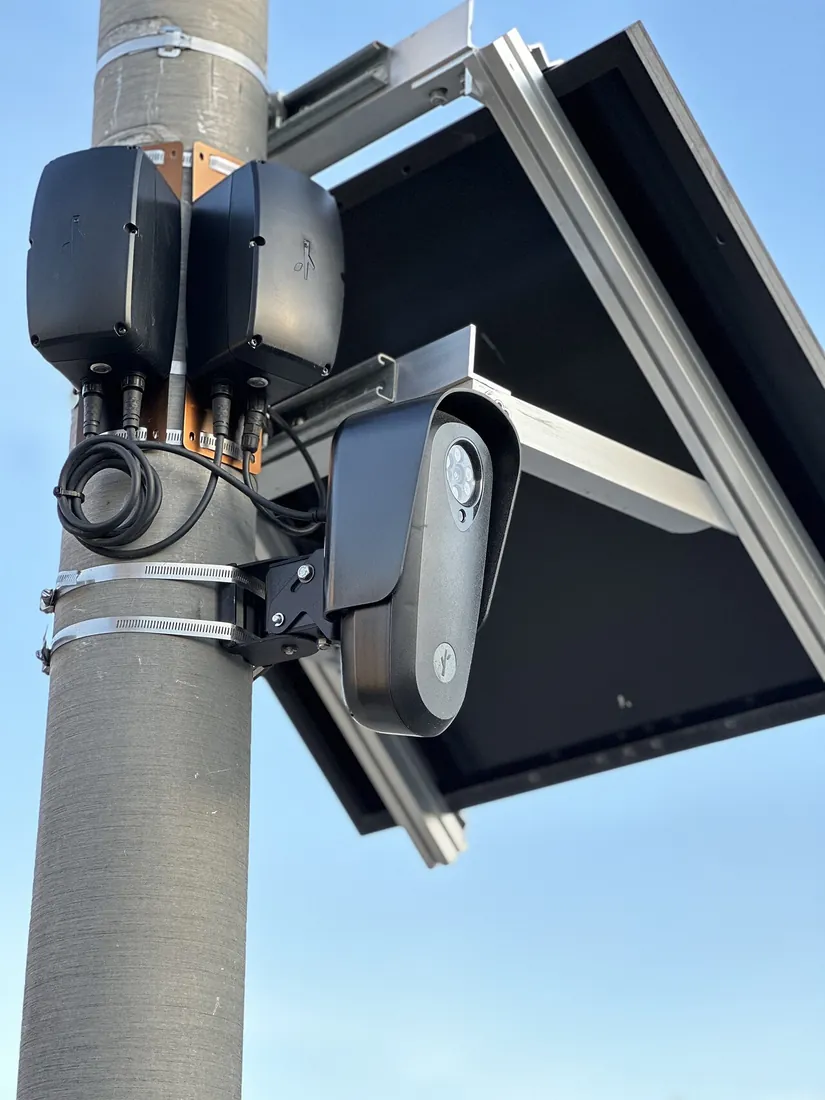
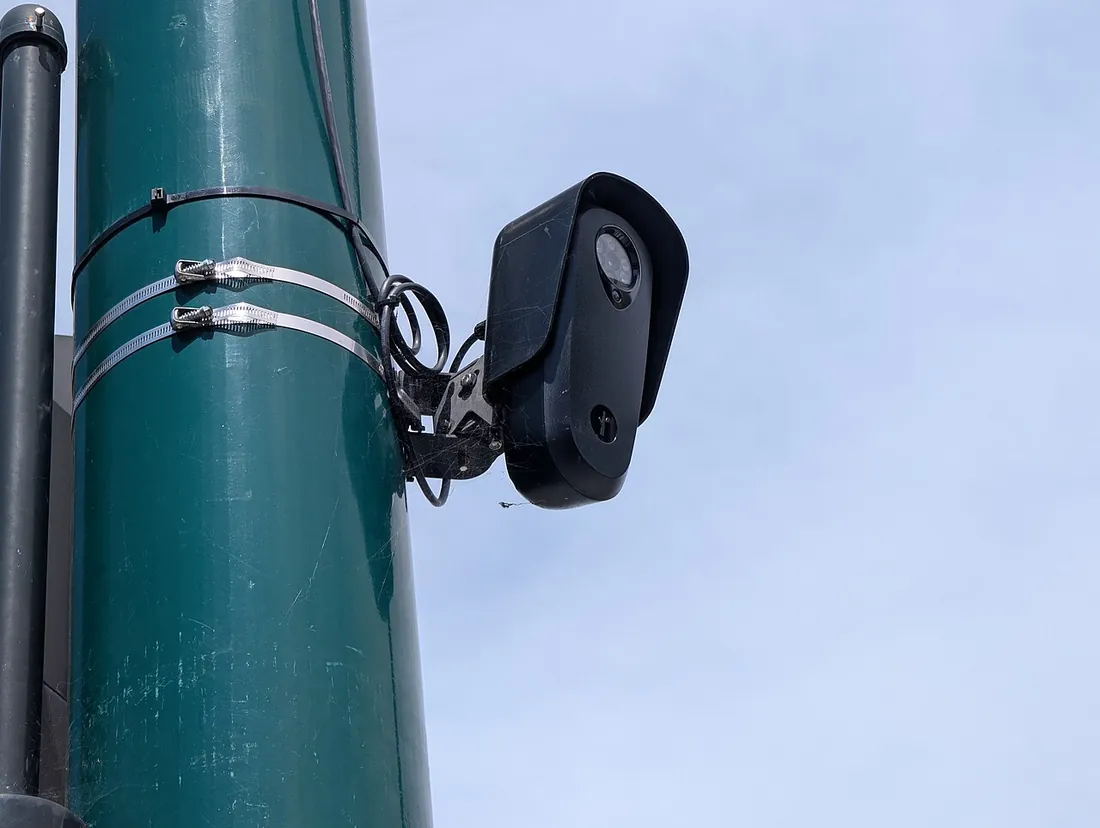
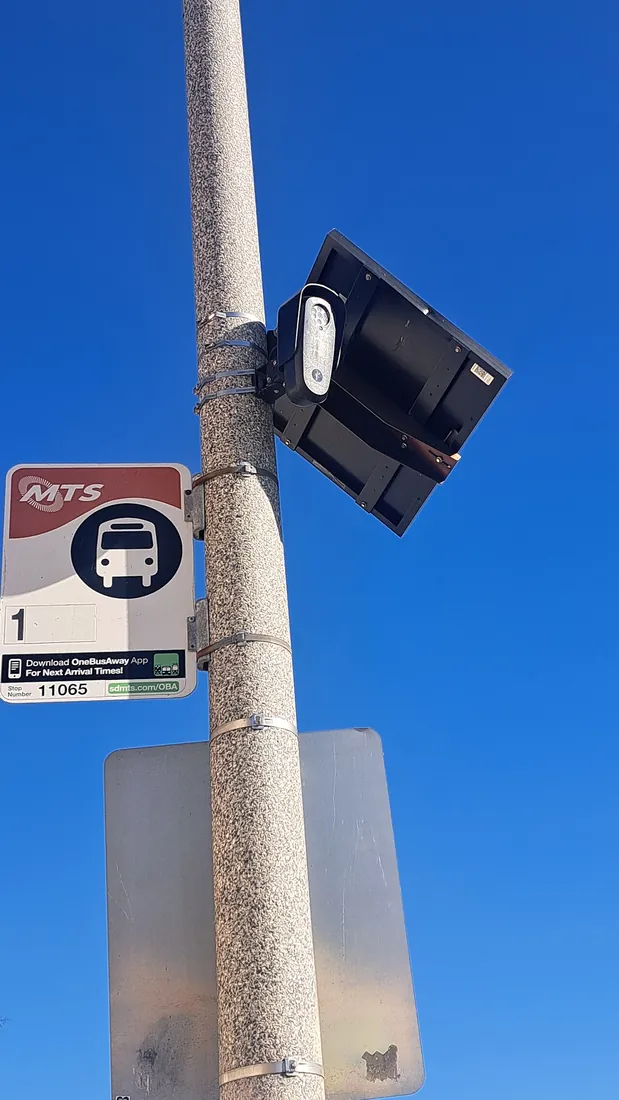
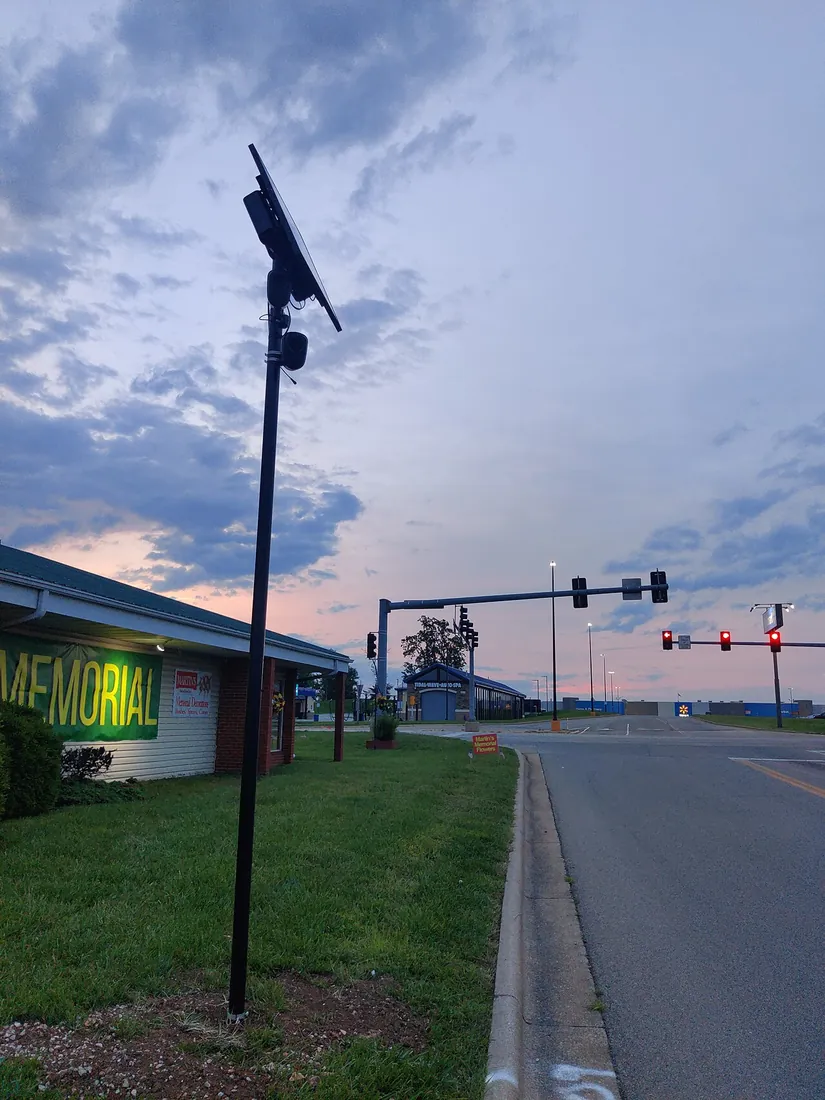
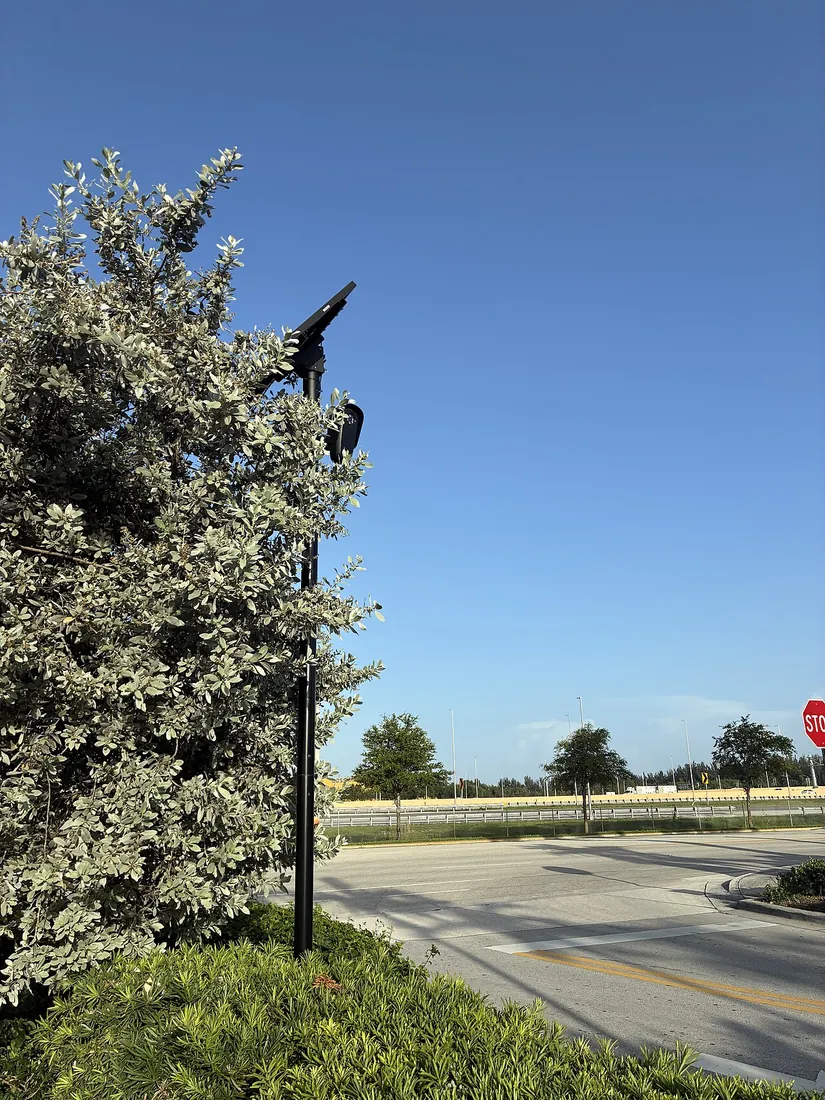
Seen one that is not on the map? Report the location or read about cameras at stores.
Other devices on the same poles
Plate readers are one of several things bolted to street furniture, and confusing them is the most common error people make when they start looking:
- PTZ camera with video analytics
A dome or bullet housing with a lens that physically rotates, mounted higher and more centrally than a reader, usually with visible infrared illuminators for night vision.
Tell: Motion is the giveaway — a reader is fixed, a PTZ turns.
Not proof: Nothing visible distinguishes a camera running attribute search or face recognition from one that just records. That capability lives entirely in software.
- Acoustic gunshot sensor
Deliberately discreet — a compact, often cylindrical unit on a utility pole, streetlight or building façade, sometimes flush-mounted. Frequently paired with a camera at the same mount point.
Tell: There is no reliable single-unit tell. Density is the signal: coverage runs roughly fifteen to twenty sensors per square mile across a zone.
Not proof: Easily confused with communications equipment, environmental sensors, and streetlight controllers.
- Drone dock
A weatherproof cabinet on the roof of a police or fire station, resembling utility housing more than anything camera-like.
Tell: The behavior identifies it: repeated launches from one rooftop following dispatch activity. The drones themselves carry strobes, agency livery and a siren by design, so the public can identify them in flight.
Not proof: The dock itself is indistinguishable from ordinary rooftop plant at a distance.
- A privately owned camera enrolled with police
Whatever camera the owner already had — a doorbell unit, a shop's CCTV, a parking dome.
Tell: None. Enrollment happens on the network behind the camera, through a hub inside the building.
Not proof: This is the honest hard case. There is no way to tell from the street whether a private camera's feed is reachable by an RTCC. Some cities publish enrollment lists; most do not.
- Red-light and speed enforcement
Larger housings on the mast arm of a signalized intersection, wired back to the signal cabinet, often with a visible flash unit and a posted warning sign.
Tell: Signage. Enforcement cameras are usually required to be announced; surveillance cameras are not.
Not proof: A signed enforcement camera may still be co-located with an unsigned reader on the same structure.
Who makes them
These are six manufacturers represented in the mapping data. The manufacturer value is the name to check if you go on to map one — matching everyone else’s spelling is what keeps the open dataset queryable. These follow the convention the mapping community uses; if you are tagging something unusual, check the current values on taginfo before inventing one.
- Flock Safetymanufacturer=Flock Safety
The best-known name in fixed roadside readers, selling to police departments, businesses and homeowner associations.
- Motorola Solutionsmanufacturer=Motorola Solutions
Incumbent through its Vigilant Solutions line, strong in patrol-vehicle and handheld reading as well as fixed cameras.
- Genetecmanufacturer=Genetec
Enterprise security platform where plate reading is one module rather than the whole product. Common in parking and facility perimeters.
- Leonardomanufacturer=Leonardo
The ELSAG line, from a defense-manufacturing lineage. Its solar pole unit is the closest visual twin to Flock's.
- Axonmanufacturer=Axon Enterprise
Known for body cameras and tasers, now selling fixed readers that draw power from streetlights, tied to its real-time crime center platform.
- Neologymanufacturer=Neology, Inc.
Tolling and roadway infrastructure, less visible in municipal policing deployments than the others.
What you can't tell by looking
This is where a field guide stops being useful, and it is worth stating plainly rather than burying. You cannot tell from the street whether a camera runs recognition software, whose network it reports to, how long its footage is kept, or whether a private camera’s feed has been enrolled with a police department. All of that lives in software and contracts.
Your city's published contracts and the agency's audit logs can help check capabilities, policies and recorded use. Learn how to request supporting public records; the availability of a particular record varies.
For current manufacturer descriptions, see Flock Safety's hardware FAQ and product catalog. Those are vendor claims, not independent confirmation of a device on your street.